Office Hygiene That Helps Cut Sick Days
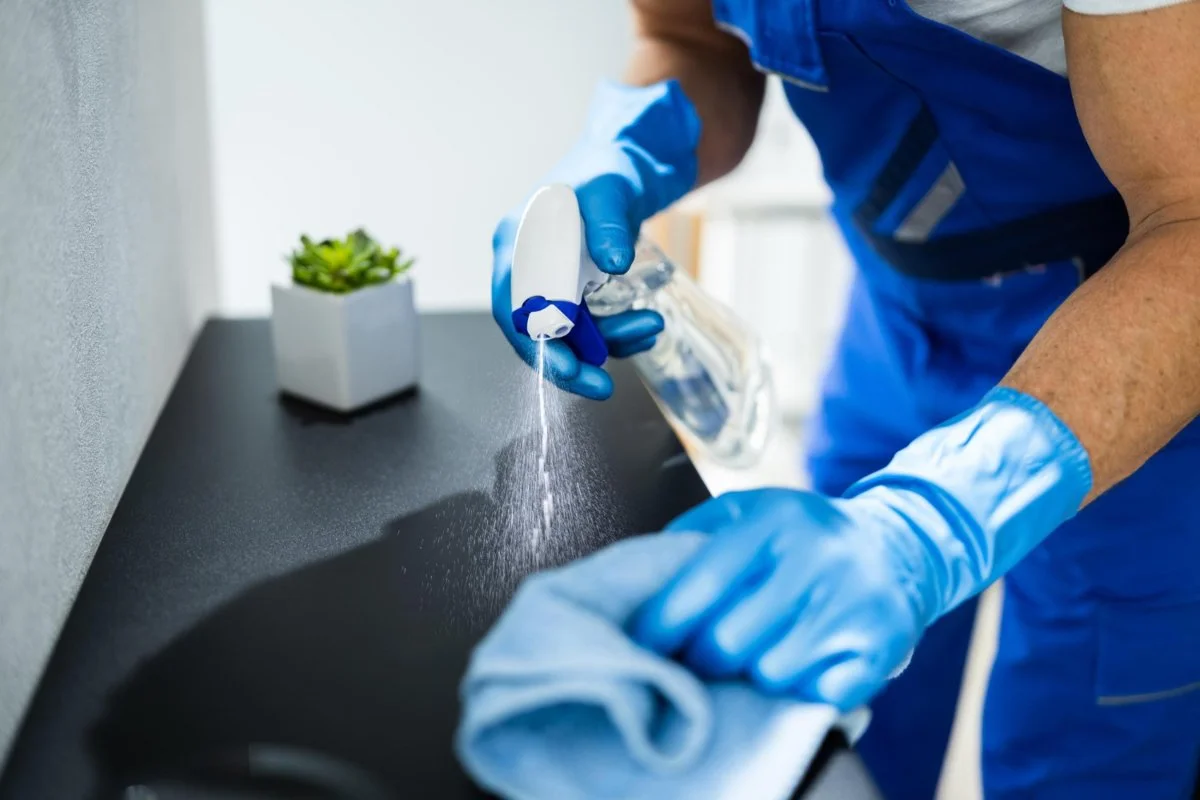
Coughs, colds and stomach bugs are the most common reason people are off work. Cleaning can’t stop every bug, but focusing on shared touchpoints and washrooms, and making handwashing easy, is the part of hygiene a cleaning plan can actually change.
of sickness absence occurrences in 2025 were due to minor illnesses, the most common reason given.
Why people are off
What the NHS says
The NHS advice is simple and worth building your cleaning plan around:
- Wash hands for around 20 seconds, the time it takes to sing “Happy Birthday” twice (NHS handwashing guidance).
- Norovirus spreads by touching surfaces or objects with the virus on them and then touching your mouth, and alcohol hand gels do not kill it (NHS norovirus guidance).
- When someone has norovirus, the NHS advises cleaning toilet seats, flush handles, taps and bathroom door handles.
Two things follow for an office. Soap must never run out, because gel isn’t a substitute. And the surfaces everyone touches need cleaning more often than the ones nobody does.
The touchpoints that matter
| Touchpoint | Why it matters | How often |
|---|---|---|
| Washroom taps, flush handles, door handles | Touched straight after using the toilet | Every clean; more often in outbreaks |
| Kitchen taps, fridge and microwave handles | Shared by everyone, near food | Every clean |
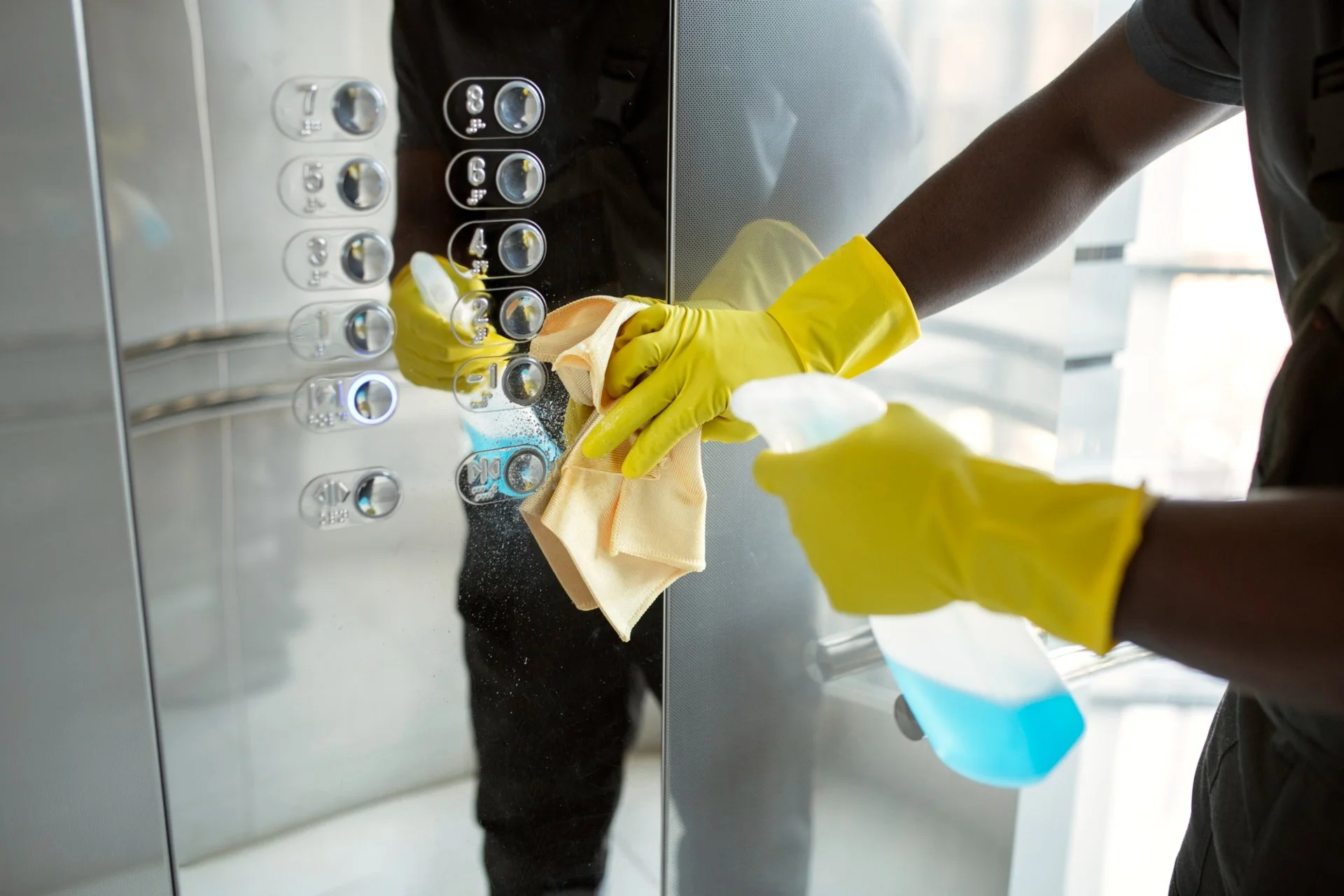
| Entrance push plates, lift buttons, stair rails | Touched by staff and visitors | Every clean |
| Meeting-room tables, shared phones, printers | Shared between groups through the day | Daily in busy offices |
| Hot desks | Different person each day | Daily, or provide wipes for users |
Five things that make the biggest difference
- Never run out of soap or towels. Check stock every clean and keep a reserve on site.
- Clean touchpoints with a separate cloth from toilets, using a colour-coding system so cloths never move between washrooms and kitchens.
- Increase touchpoint cleaning when bugs are going round, rather than waiting for the next scheduled visit.
- Empty kitchen bins daily and wipe fridge handles.
- Agree a clear-desk rule so desks can actually be wiped.
Build these into your office cleaning checklist and set the frequency for each zone to match.
Questions we get asked
Does hand sanitiser replace handwashing?
No. The NHS says to use alcohol-based sanitiser when soap and water aren’t available, and notes that alcohol gels don’t kill norovirus. Soap and water should always be available.
Should we disinfect everything every day?
No. Focus disinfectant on high-touch points and washrooms. Ordinary cleaning is enough for most other surfaces.
What should we do during a sickness outbreak?
Ask your cleaning company for extra touchpoint and washroom cleans for a week or two, and remind staff about handwashing.
We’ll walk your building and show where cleaning time does the most good.
Book a site survey