Builders Clean vs Deep Clean: Which Do You Actually Need?
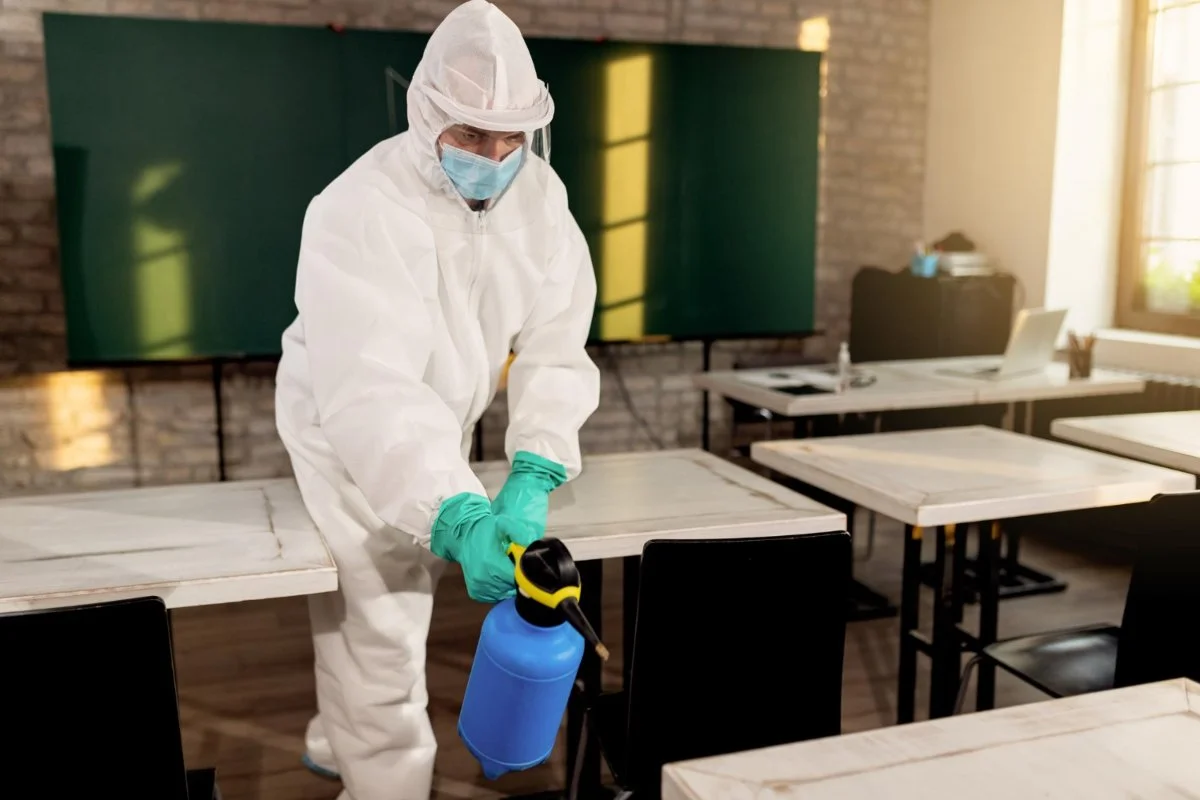
A builders clean removes construction dust, debris, paint and adhesive after building work, so the space can be handed over. A deep clean is a thorough clean of a space that’s already in use. If there has been any building, decorating or fit-out work, you need a builders clean.
The two get confused because both are “more than a normal clean”. But they deal with different dirt. Building work leaves fine dust in places a deep clean never reaches: inside light fittings, on top of door frames, in vents and in the tracks of windows. It keeps settling for days after the trades leave.
construction workers are believed to die from exposure to silica dust every year. Regularly breathing construction dust can cause lung cancer, asthma, COPD and silicosis.
That’s why construction dust should be removed with the right equipment and methods, not swept or dry-dusted into the air where people will be working.
The difference at a glance
| Builders clean | Deep clean | |
|---|---|---|
| When | After construction, refurbishment, fit-out or decorating | Periodically, or before an event, a move or a new tenant |
| Main job | Remove fine dust, debris, paint, plaster and adhesive residue | Remove built-up grime from a space in use |
| Equipment | Dust-rated vacuums, scrapers, specialist removers | Standard and specialist cleaning equipment |
| Stages | Often in stages: initial clean, final clean, sparkle clean before handover | Usually a single visit |
| Includes | Inside cupboards, light fittings, vents, window tracks, removal of protective film | Kitchens, washrooms, floors, fixtures, high-level dusting |
Which do you need?
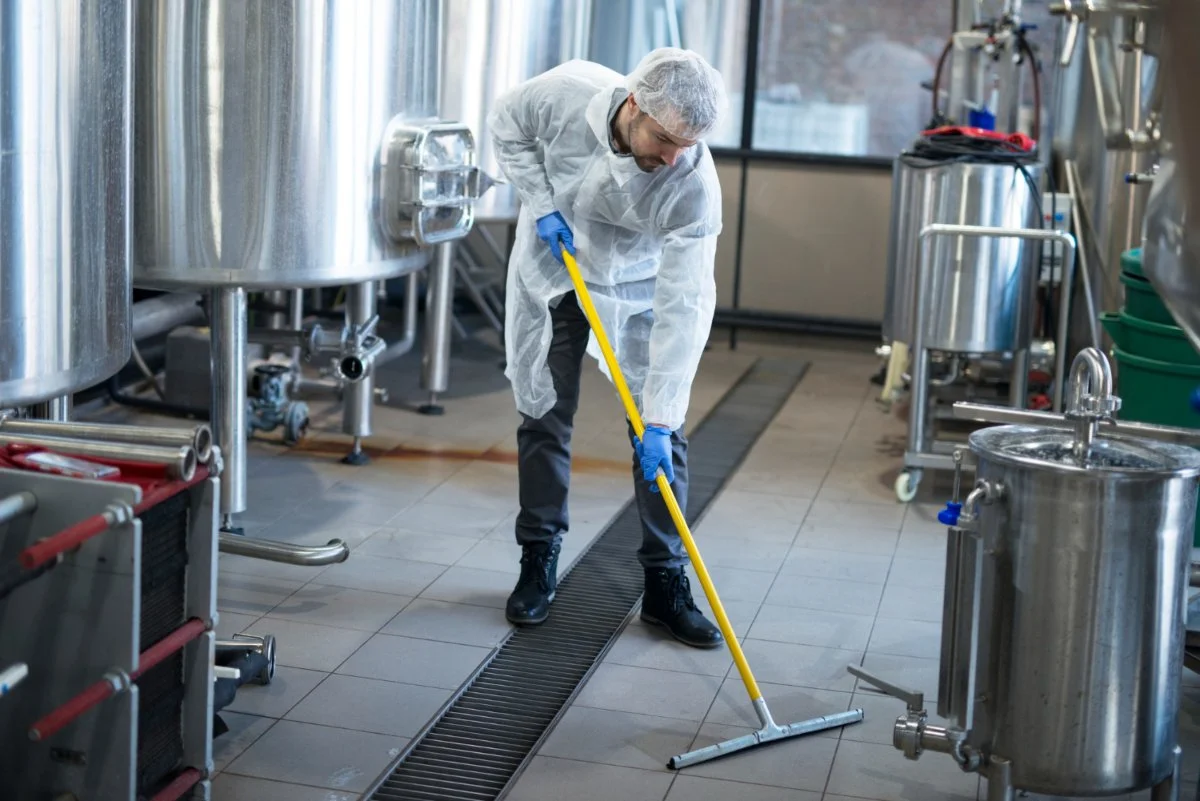
Plan the builders clean before handover
The most common mistake is booking the clean for the day before handover, with trades still on site. Dust keeps falling, snags get fixed and the space needs cleaning again. Plan it in stages and sign it off properly. Once people move in, the Workplace Regulations require the space to be “kept sufficiently clean”, so the final clean sets the standard from day one.
| Area | Initial clean | Final clean | Sparkle | Signed |
|---|---|---|---|---|
| Open-plan floor | ✓ | ✓ | ✓ | LC |
| Kitchen | ✓ | ✓ | ✓ | LC |
| Washrooms | ✓ | ✓ | ☐ | |
| Windows and frames (inside) | ✓ | ☐ | ☐ | |
| Light fittings and vents | ✓ | ☐ | ☐ |
What to ask a builders clean contractor
- What equipment do you use for fine dust? Ask about dust-rated vacuums rather than brooms.
- Will you clean in stages, and can the final clean be booked after the trades have left?
- Are your RAMS and COSHH assessments specific to builders cleans?
- Who signs off each area, and what happens to snags you find?
The general questions in our guide to choosing a cleaning company apply here too. Once the space is in use, our office cleaning checklist covers the routine clean.
Questions we get asked
How long after building work should the final clean happen?
After all trades have finished and the dust has had time to settle. Book an initial clean during the work and a final clean once the space is quiet.
Can our regular cleaner do the builders clean?
Usually not. It needs different equipment, methods and risk assessments, and takes far longer than a routine clean.
Do you remove building waste?
Builders cleans cover dust and small debris. Skips and large waste are normally the contractor’s responsibility, so agree it in advance.
Tell us your handover date and we’ll plan the stages back from it.
Plan a builders clean